
Sources checked

Choose the size around the purpose
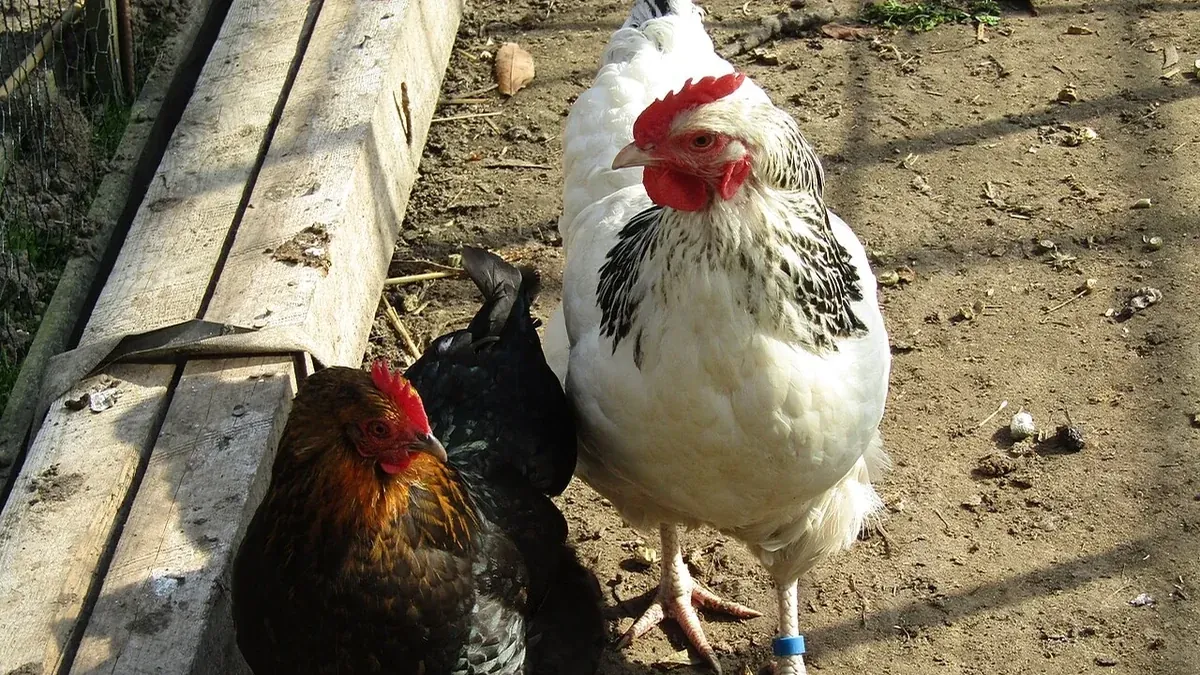
Bantams are smaller chickens, including small versions of some breeds and breeds without a standard-sized equivalent. They can appeal for particular household, exhibition or flock preferences. Smaller body size does not remove the need for appropriate housing, feed, water, climate care, predator protection and local permission.
Decide whether the main aim is eggs, a particular breed interest or another purpose. Egg size and output should be compared with actual line information. More small eggs are not automatically equivalent to the same count of larger eggs in your household use.
A practical comparison
| Dimension | Bantam question | Standard-size question |
|---|---|---|
| Housing | Can openings, nests and equipment suit small birds? | Does the design suit the larger actual breed? |
| Feed and water | Can birds reach equipment without being excluded? | Can all birds use the arrangement together? |
| Egg use | Does the smaller egg suit your needs? | What line and output expectation are relevant? |
| Mixed flock | How will interactions and access be observed? | Will larger birds dominate resources? |
| Climate | What does the breed and local guidance require? | Size alone does not establish tolerance |
Use appropriate space guidance for the actual birds rather than scaling a minimum mechanically from body size.
Think through a mixed-flock example
A household wants to add smaller birds to an established flock. It checks separate introduction arrangements, suitable feed and water access, openings and the ability to monitor interactions. If the setup cannot support all birds appropriately, a different flock or housing arrangement is needed.
Keep nutrition appropriate to life stage. A mixed size does not imply that a mix of feed products or adult layer feed is suitable for every bird.
Choose source and care capacity
Ask the supplier about actual breed or line, age and known sexing limitations. Plan what happens if unwanted males are present, consistent with local rules and welfare. Have housing and a backup caregiver ready before purchase.
Read egg-flock planning and housing design. The useful choice is the bird size and type the household can care for, with the complete routine visible.
Sources & further reading
Official guidance and original source material used for the factual points in this guide. Planning examples and worksheets are our own illustrations.
- Cooperative Extension: Selecting a Chicken Breed for Small or Backyard Poultry Flocks
- University of Minnesota Extension: Raising chickens for eggs
- University of Minnesota Extension: Raising layer chicks and pullets
- USDA APHIS: Defend the Flock — Biosecurity Basics
- Cooperative Extension: Feeding Chickens for Egg Production
Checked 8 October 2026. Location-specific rules, availability and product specifications can change. Suggest a correction.