
Sources checked

Understand the arrangement before comparing a furnace
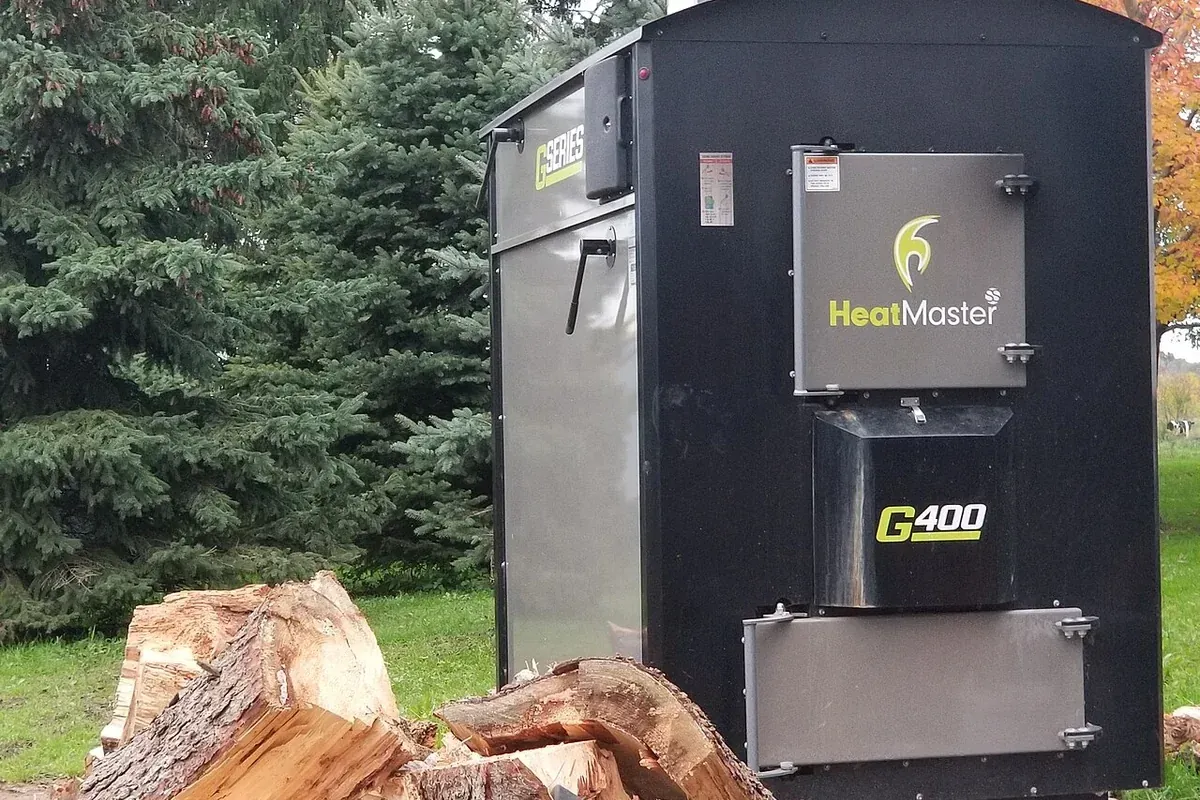
An outdoor wood-fired hydronic heater transfers heat through a fluid system to serve a building or other approved loads. The appliance, buried or exposed distribution, pumps, controls and heat-delivery equipment must work together. Compare the arrangement with the actual building heat demand and climate rather than assuming a larger appliance is preferable.
A small, well-insulated home may need a different solution from a larger property with several heating loads. Ask the heating professional about control, low-load operation, freeze protection, backup heat and the installation requirements for the selected equipment. Keep local air-quality and siting requirements in the review.
What belongs in the comparison
| Area | Questions to resolve |
|---|---|
| Load | What heat demand and design conditions are being used? |
| Distribution | How will heat reach the home, and what are the loss assumptions? |
| Installation | What site work, electrical work, controls and permits are included? |
| Fuel | What wood condition, supply and storage does the appliance require? |
| Operation | How often must it be tended and serviced under the planned use? |
| Fallback | What happens when you travel, lose power or have an equipment fault? |
The EPA’s residential wood-heater requirements and local rules need to be checked for the particular product. A seller’s generic description does not establish that an installation meets every applicable requirement.
Count time as well as purchase costs
A household comparing an outdoor unit lists appliance and installation quotes, distribution work, annual fuel, service, electricity for controls or pumps, and its expected tending time. It compares those items with another suitable heating proposal over the same ownership period. The comparison becomes useful without relying on an unsupported universal payback claim.
Plan a dry fuel-storage area with practical vehicle and daily access. Handling wood through poor weather is part of the system. Avoid making the house’s essential heat dependent on a routine nobody can maintain during illness or absence.
Finish with an operating and maintenance plan
Use the appliance’s instructions and the installer’s commissioning records. Keep clearances, service access, controls and responsibilities documented. Arrange smoke and carbon-monoxide protection appropriate to the home and follow local requirements. Never adapt combustion equipment or piping from a general internet sketch.
Review the wood-stove guide and firewood quantity guide for related comparisons. A suitable heating system is one the property can fuel, operate and maintain reliably, with its complete costs visible.
Sources & further reading
Official guidance and original source material used for the factual points in this guide. Planning examples and worksheets are our own illustrations.
- EPA: New Source Performance Standards for residential wood heaters
- EPA: Best wood-burning practices (archived guidance)
- U.S. Fire Administration: Heating fire safety
- U.S. Fire Administration: Carbon monoxide poisoning prevention
- NIST/NCWM: Buying firewood by the cord
Checked 8 October 2026. Location-specific rules, availability and product specifications can change. Suggest a correction.