
Sources checked
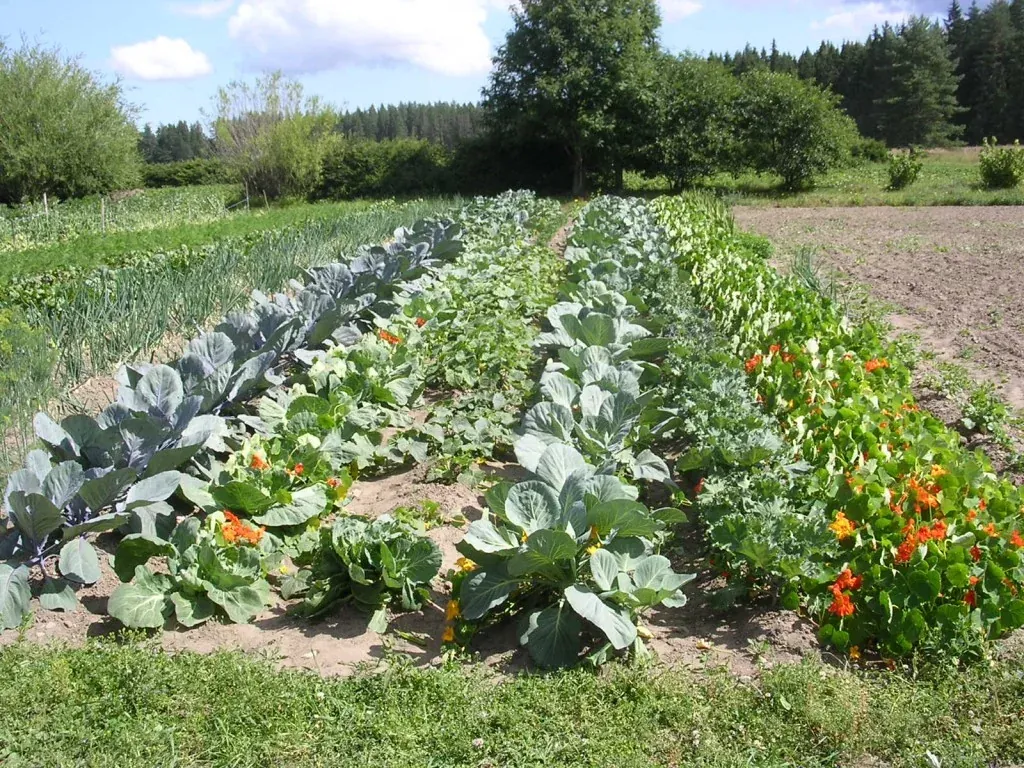

Spring is a sequence of conditions
A spring garden usually has more than one planting window. First the soil becomes workable, then conditions suit selected hardy crops, and later the weather supports tender vegetables. These windows can be weeks apart. The examples here describe Northern Hemisphere spring; Southern Hemisphere gardeners should use their own spring season and regional calendar, roughly six months later. USDA hardiness zones describe winter extremes and cannot supply spring sowing dates.
Gather a local crop calendar, frost-risk information and a soil thermometer. Note drainage, wind exposure and hours of direct light. Nearby gardens can differ because of elevation, shelter and cold-air pooling. Keep seed packets so that you can check sowing depth, mature spacing and the recommended lead time for transplants.
Choose crops for each window
| Crop type | Examples to assess locally | Typical approach |
|---|---|---|
| Hardy direct-sown crops | Peas, spinach and radishes | Sow when crop-specific soil and forecast conditions permit. |
| Cool-season transplants | Broccoli, cabbage and lettuce | Use healthy hardened plants with suitable remaining cool weather. |
| Tender transplants | Tomatoes, peppers and eggplant | Wait for appropriate soil warmth and cold-risk conditions. |
| Tender direct-sown crops | Beans and suitable squash | Sow into sufficiently warm soil, using the selected variety’s instructions. |
The table describes a decision order rather than a universal crop list. Cool-season vegetables may lose quality as temperatures rise, while tender crops can be damaged by cold. A mild subtropical garden may finish its cool-season round earlier than a northern temperate garden begins one.
Prepare the bed before buying more plants
Check soil moisture before cultivation. Working saturated soil can compact and smear it. Remove persistent weeds, obtain a soil test and address drainage before adding fertilizer. Build paths wide enough for your actual tools, and choose a bed width that you can reach without stepping into the planting area. Keep water close enough that watering remains practical on a busy weekday.
Use a small number of crops you enjoy eating. Start some plants from seed where direct sowing is straightforward, and buy selected transplants if you lack sufficient indoor light. Install supports before vines or tomatoes become large.
Work backward from transplanting
If a local tomato window is around May 15 and the seed instructions recommend six weeks of indoor growth, count back 42 days to about April 3. Reserve time to harden the plants gradually, and confirm the forecast before planting. A date calculated in winter must still pass the soil and weather checks in spring.
In an illustrative two-bed plan, use one bed for early greens and peas and reserve the other for a supported tomato and summer beans. Mark when early crops are expected to leave the bed. Give each crop mature spacing so that an early abundance of seedlings does not become later crowding.
Spring establishment checklist
- Label sowings with variety and date.
- Keep the seed zone evenly moist during germination.
- Thin seedlings to the selected crop’s final spacing.
- Acclimate indoor transplants gradually to outdoor exposure.
- Keep appropriate temporary covers and anchors ready.
- Inspect plants and identify damage before selecting a treatment.
Record emergence and first harvest as well as planting. This separates a poor sowing date from a seed-quality problem or a watering failure. Keep one small reserve area for a replacement crop instead of filling every available inch immediately.
One practical next step
Make a simple stop rule before buying transplants: if the intended bed is still saturated, cold or unprepared, delay the purchase unless you can keep the plants healthy elsewhere. Nursery availability does not establish your planting date. Check whether a later, smaller transplant will be easier to establish than an oversized plant that has waited too long in a cramped pot.
Mistakes and spring questions
A warm weekend can encourage planting too early. Another mistake is treating all vegetables as equally cold tolerant or adding extra fertilizer when the real problem is cold, wet roots. Avoid starting every seed indoors; root crops and several quick crops are often simpler to direct sow.
Can I rely on my average last frost date? Use it as a risk guide and check current forecasts. Do raised beds remove frost risk? No; they may warm or drain differently, but air temperature still matters. What if spring arrives late? Shorten the crop list, use suitable transplants or shift to the next local planting window.
Sources & further reading
Official guidance and original source material used for the factual points in this guide. Planning examples and worksheets are our own illustrations.
- University of Minnesota Extension: Planting the vegetable garden
- University of Maryland Extension: When to Plant Vegetables
- University of Maryland Extension: Starting Vegetable Seeds Indoors
- University of Maryland Extension: How to Start a Vegetable Garden
Checked 8 October 2026. Location-specific rules, availability and product specifications can change. Suggest a correction.