
Sources checked

Use this month as a local planning prompt
The outdoor examples below describe Northern Hemisphere seasons. Southern Hemisphere gardeners should start with the opposite season, roughly six months away, then use local frost, soil-temperature and rainfall guidance. USDA zones alone cannot set planting dates. Check your forecast, crop instructions and the actual light in your garden before sowing.
Expect more than one planting window
| Condition | Choose the next task | Hold back when |
|---|---|---|
| Cool soil, continuing frost risk | Locally suitable greens, peas and brassica starts. | Soil is saturated or the crop lacks cold tolerance. |
| Suitable tender-crop soil and nights | Acclimate and transplant appropriate warm-season plants. | A late frost or prolonged cold is forecast. |
| Warm-region garden approaching intense heat | Use heat-tolerant crops or finish cool-season harvests. | A crop needs more cool weeks than remain. |
April works best as a sequence: prepare a bed, establish the early crops, harden indoor seedlings and reserve room for the later ones. Keep each step conditional. A neighboring garden with shelter from wind may be ready sooner than an exposed plot.
Harden plants gradually
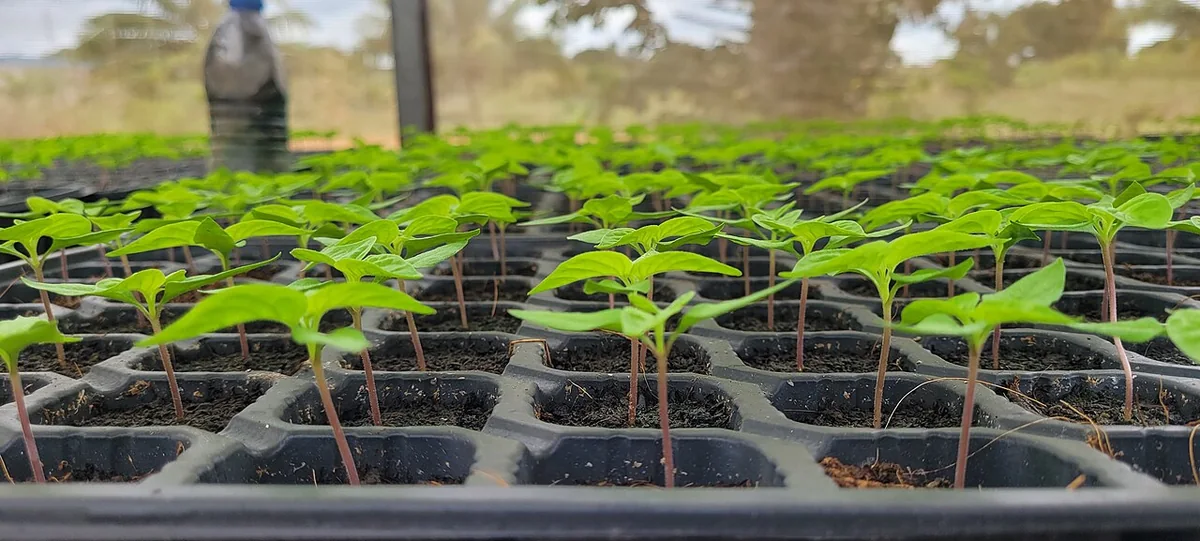
Indoor-grown seedlings need time to adjust to outdoor sun, wind and temperature. Begin in a sheltered position for a limited period, increase exposure gradually and bring plants back under protection when cold threatens. Follow crop guidance and avoid both sudden full sun and severe drying. Check the root ball before transplanting; a pot that feels heavy at the top may still contain dry roots.
Plant on a calm, cloudy day or later in the afternoon when practical. Water the root ball and the new planting area. Keep covers available, but inspect beneath them so that an unexpectedly warm day does not overheat the plants.
A forecast-based transplant example
Suppose your local calendar permits tomato transplanting around late April. Your seedlings are ready, but the forecast shows several cold nights and the bed remains cool. Delay the planting, improve spacing under the lights and continue hardening during suitable periods. Reassess the forecast and the soil before committing. Planting a week later can be more sensible than replacing damaged plants.
Meanwhile, use a separate small area for a locally appropriate quick salad crop. Keep its sowing date and harvest target on the bed map, so it does not occupy the tomato’s mature root and canopy space for longer than planned.
April checklist and mistakes
- Install supports before plants become tangled.
- Check irrigation outlets and adjust coverage to the planted area.
- Thin direct-sown seedlings using the variety’s final spacing.
- Identify weeds early rather than waiting for them to flower.
- Set aside material and anchors for temporary crop covers.
A common mistake is moving all crops outdoors together. Lettuce and eggplant do not share the same cold tolerance. Another is planting by a holiday while ignoring rain and soil moisture. Record weather-related delays so that next year’s calendar includes a realistic range.
April questions
Will a cover make any cold night safe? No; performance depends on material, wind, soil heat and installation. Can I sow another lettuce row? Yes when the local temperature window remains suitable and you have room to harvest it before heat. Should I fertilize every transplant heavily? Use soil-test and product guidance; extra fertilizer will not fix cold, damaged roots or insufficient light.
Sources & further reading
Official guidance and original source material used for the factual points in this guide. Planning examples and worksheets are our own illustrations.
- University of Minnesota Extension: Planting the vegetable garden
- University of Maryland Extension: When to Plant Vegetables
- University of Maryland Extension: Starting Vegetable Seeds Indoors
Checked 8 October 2026. Location-specific rules, availability and product specifications can change. Suggest a correction.