
Sources checked
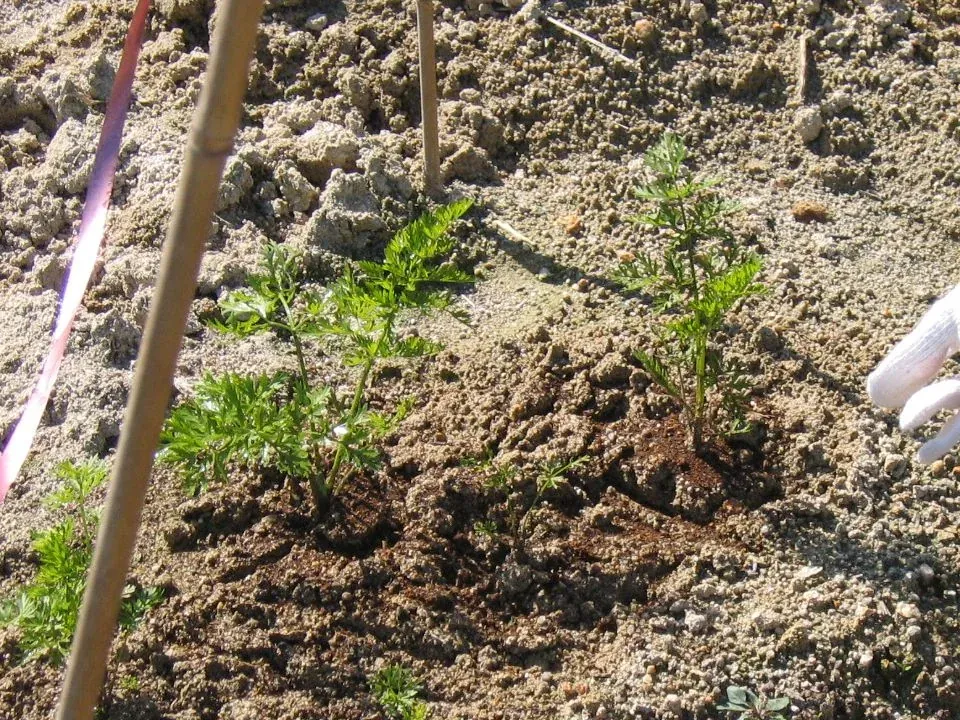

Use this month as a local planning prompt
The outdoor examples below describe Northern Hemisphere seasons. Southern Hemisphere gardeners should start with the opposite season, roughly six months away, then use local frost, soil-temperature and rainfall guidance. USDA zones alone cannot set planting dates. Check your forecast, crop instructions and the actual light in your garden before sowing.
Use soil conditions as the gate
March is a transition month in many Northern Hemisphere temperate gardens. Snow may still cover one garden while another has entered its spring sowing window. Check soil moisture before cultivating. If it smears, sticks to tools or remains a dense wet ball, postpone the work. A sunny day can dry the surface while deeper soil remains saturated.
| Garden state | Possible next move | Reason to pause |
|---|---|---|
| Soil still frozen or waterlogged | Continue indoor preparation and bed mapping. | Cultivation can damage structure or simply be impractical. |
| Workable soil in a local hardy-crop window | Consider peas, spinach, lettuce or radishes using crop guidance. | A cold spell, poor drainage or unsuitable soil temperature. |
| Warm but still frost-prone | Prepare supports and harden appropriate cool-season starts. | Tender tomatoes and basil remain vulnerable to cold. |
Sow a test row, then expand
Try a short row of a locally recommended hardy vegetable rather than filling the whole bed. Follow packet depth and spacing, firm gently and water with a fine spray. Label the date and variety. Check the seedbed regularly because emerging seedlings need a moist surface even when the deeper bed looks wet.
Thin crowded plants when they are small. Root crops cannot produce useful individual roots if every seedling remains in a tight cluster. Keep access to the row so that you can weed without stepping in the planting area.
A March bed example
For an illustrative 4-by-8-foot bed in a suitable spring climate, divide the bed into a small direct-sown salad patch, a pea area beside a support and a reserved summer planting area. Use the selected varieties’ mature spacing. Leave a route to reach every plant. The reserved area is deliberate: planting all 32 square feet immediately can leave no practical place for later tomatoes or beans.
In a cold March location, draw that map now and sow later. In a hot-region garden approaching summer, compare the plan against the local calendar; a spring pea crop may no longer have enough cool weather.
March checklist and mistakes
- Measure soil temperature at the intended sowing depth over several days.
- Check the forecast before exposing transplants.
- Protect new seedlings from locally common pests with suitable barriers.
- Record which side of the bed receives the longest useful light.
- Start indoor crops only when their calculated lead time has arrived.
Avoid treating an average last frost date as a guarantee, packing wet soil, or putting all seedlings outside for a full sunny day without acclimation. Row cover can help with limited cold and pest exposure, but it must be matched to the crop and ventilated when needed.
March questions
Can I plant potatoes now? Check your local planting guidance, soil condition and seed-potato source; March is not a universal potato date. Can I start carrots indoors? Direct sowing is usually simpler because roots are easily disturbed. Do I need to till every year? No. Focus on compaction, weeds, drainage and the actual condition of your bed rather than adding disturbance by habit.
Sources & further reading
Official guidance and original source material used for the factual points in this guide. Planning examples and worksheets are our own illustrations.
- University of Minnesota Extension: Planting the vegetable garden
- University of Maryland Extension: When to Plant Vegetables
- University of Maryland Extension: How to Start a Vegetable Garden
Checked 8 October 2026. Location-specific rules, availability and product specifications can change. Suggest a correction.