
Sources checked

Use this month as a local planning prompt
The outdoor examples below describe Northern Hemisphere seasons. Southern Hemisphere gardeners should start with the opposite season, roughly six months away, then use local frost, soil-temperature and rainfall guidance. USDA zones alone cannot set planting dates. Check your forecast, crop instructions and the actual light in your garden before sowing.
Make December useful without forcing outdoor planting
| December climate | Productive focus | Decision point |
|---|---|---|
| Cold and low light | Review yields, maintain stored produce and prepare the next plan. | Whether protected crops are established enough to harvest. |
| Mild winter growing season | Use the local calendar for suitable roots, greens and transplants. | Soil conditions, daylight and short cold events. |
| Southern Hemisphere summer | Follow summer harvesting and irrigation tasks. | Heat, water reliability and local storm patterns. |
A garden does not need fresh sowing every month to be productive over a year. December can show which crops justify their space and which create work without useful food. Use the results to choose a smaller, better-fitted seed list.
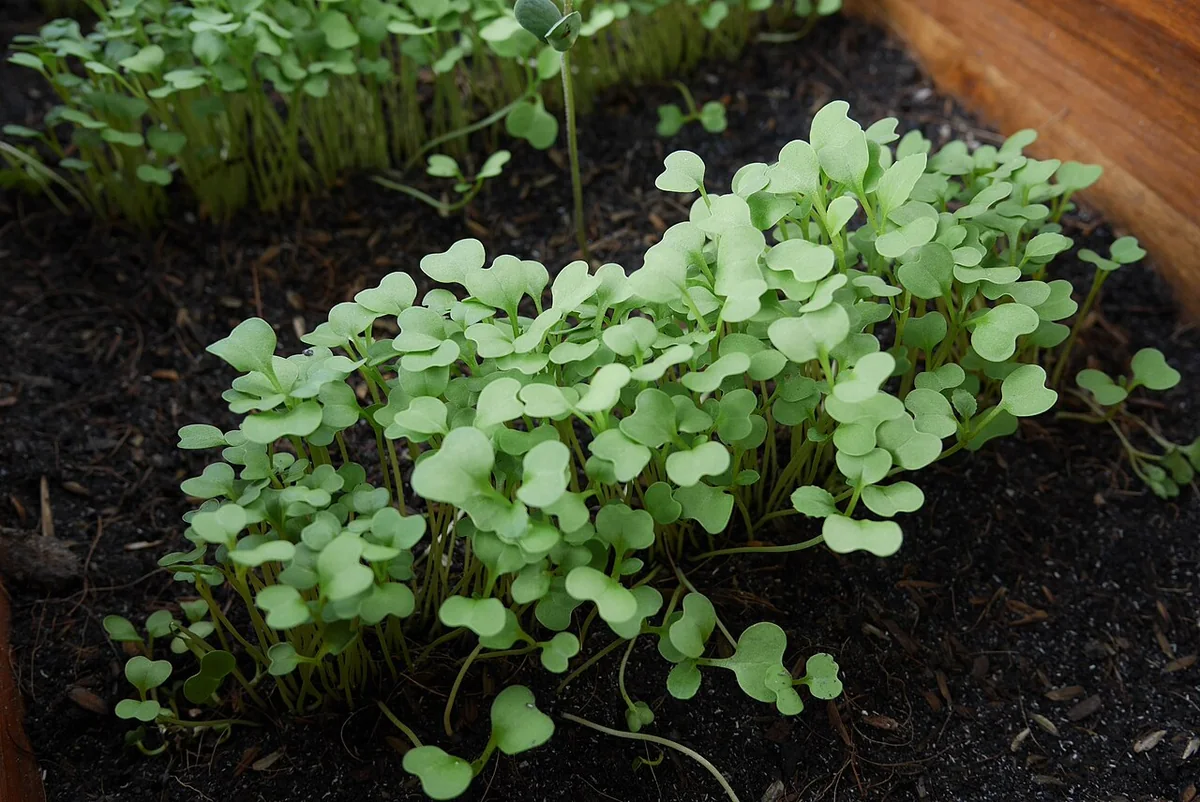
Run a small indoor greens trial
Select a leafy crop suitable for your available containers and grow lights. Use clean containers with drainage and a suitable growing medium. Keep the setup away from poultry housing and equipment. Follow sowing directions, label the date and water without leaving the medium saturated. Provide the light the crop needs rather than relying on a dark winter windowsill.
Begin with one tray or a few pots. Track time spent, harvest quantity and whether the household uses the crop. If you decide to expand, account for lighted shelf space, humidity, cleanup and the cost of electricity.
A December review example
Imagine that four tomato plants produced more fruit than your household used, while two small lettuce sowings were harvested completely. Next year, consider fewer tomatoes, staggered lettuce and a clearer plan for preserving surplus. If beans failed during a hot dry spell, record that cause rather than declaring beans unsuitable. Move the planting window or improve water management if local guidance supports another attempt.
Keep your successes too: actual first harvest dates, reliable varieties and the watering setup that reduced work. These records are more valuable than a new calendar copied from an unfamiliar climate.
December checklist and mistakes
- Compare planned and actual sowing dates.
- Review costs for seed, soil, water and supports.
- Check covers and stored produce after severe weather.
- Inspect seed storage for moisture and pests.
- Choose one specific improvement before buying more equipment.
Avoid making next year’s garden larger simply because winter enthusiasm is high. Do not count preserved or stored vegetables twice when assessing harvests. A small garden that supplies useful food reliably is easier to improve than an oversized one that overwhelms your schedule.
December questions
Can I plant winter vegetables outdoors? Sometimes in mild climates, but use the local crop calendar and distinguish planting from harvesting. Do indoor crops need fertilizer? Follow the growing medium and crop instructions; water and light problems can resemble nutrient deficiency. What is the best December purchase? The item that solves a documented problem, whether a soil test, labels or improved irrigation access.
Sources & further reading
Official guidance and original source material used for the factual points in this guide. Planning examples and worksheets are our own illustrations.
- University of Maryland Extension: When to Plant Vegetables
- University of Maryland Extension: Growing Vegetables in Containers and Salad Tables
- University of Florida IFAS Extension: Florida Vegetable Gardening Guide
Checked 8 October 2026. Location-specific rules, availability and product specifications can change. Suggest a correction.