
Sources checked
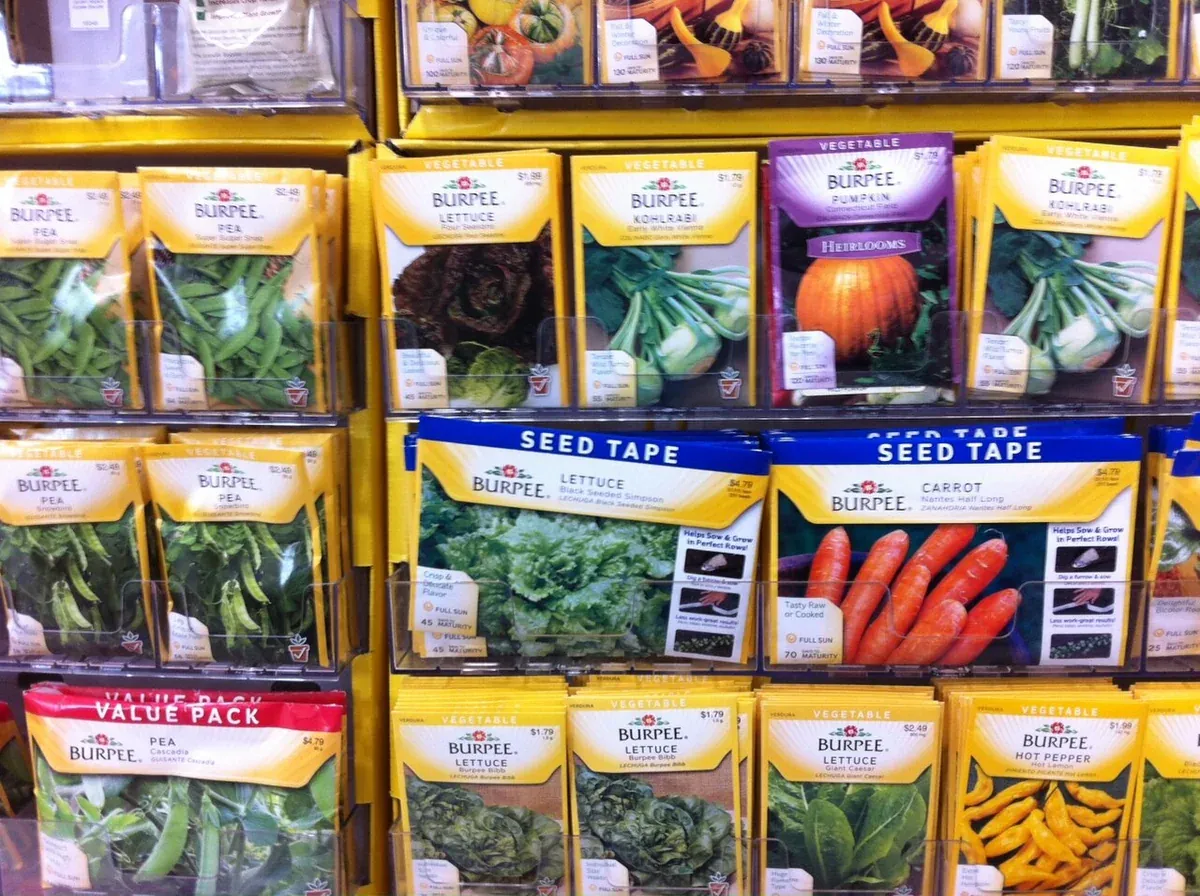

Use this month as a local planning prompt
The outdoor examples below describe Northern Hemisphere seasons. Southern Hemisphere gardeners should start with the opposite season, roughly six months away, then use local frost, soil-temperature and rainfall guidance. USDA zones alone cannot set planting dates. Check your forecast, crop instructions and the actual light in your garden before sowing.
Match the job to your January
| Local conditions | A useful next step | What to avoid |
|---|---|---|
| Frozen temperate garden | Inventory seeds, order suitable varieties and plan spring beds. | Working frozen or saturated soil. |
| Mild Northern Hemisphere winter | Consult the local calendar for leafy greens, roots and suitable transplants. | Assuming every warm-climate garden is frost-free. |
| Southern Hemisphere summer or tropical heat | Use the summer guide; check heat, irrigation and wet-season pressure. | Copying a Northern Hemisphere winter sowing list. |
Winter planting is possible in some mild climates, but short days can make establishment slower. A covered bed with established greens is a different project from a new sowing. Note which you are managing before buying seed.
Audit seeds and equipment
Make a list of crops you actually use in weekly meals. Check packet dates, storage conditions and remaining quantity. Test an older batch with a small sample on damp paper using the crop’s appropriate germination conditions; count how many sprout and keep the result with the packet. A low result may justify a replacement or a small trial, rather than gambling your only bed.
Wash reusable seed trays, verify drainage and test grow lights. Select a clean seed-starting mix. Count your lighted shelf space before choosing how many seedlings to grow. A windowsill that looks bright to you may still produce weak, stretched plants.
A worked seed-order example
Suppose you want lettuce for six small salad harvests, a few bush beans and two tomatoes. Buy quantities that support those goals rather than planning around whole packets. Reserve a small lettuce area for repeated sowings, mark where summer beans could follow, and choose tomato varieties whose growth habit fits your support and bed. If your tomato transplant window is in May, January is usually a planning month in a cold-winter location, not an automatic tomato-starting date.
For a mild winter location, compare lettuce and radish options with the local Extension calendar. Label every trial so that slow winter growth is not mistaken for a failed variety.
January checklist and common mistakes
- Inspect stored roots and remove spoiled produce.
- Check covers after wind or snow and keep ventilation accessible.
- Map shade from buildings before committing to a new bed.
- Price soil, irrigation and supports along with seed.
- Keep a record of actual harvests from protected winter crops.
Avoid ordering too many unfamiliar crops, sowing slow-growing plants months too early, or expecting an unheated cover to create summer conditions. Indoor seedlings need attention every day; choose a scale that fits your schedule.
January questions
Can I plant garlic now? Timing and suitable types vary; ask locally whether a late winter planting is useful and how cold exposure affects bulb development. Can I grow vegetables indoors? Small leafy crops may suit a well-lit setup better than large fruiting plants. Does zone 10 mean January is always safe? No. Review local cold events, soil conditions and crop-specific recommendations.
Sources & further reading
Official guidance and original source material used for the factual points in this guide. Planning examples and worksheets are our own illustrations.
- University of Maryland Extension: When to Plant Vegetables
- University of Maryland Extension: Starting Vegetable Seeds Indoors
- University of Florida IFAS Extension: Florida Vegetable Gardening Guide
Checked 8 October 2026. Location-specific rules, availability and product specifications can change. Suggest a correction.